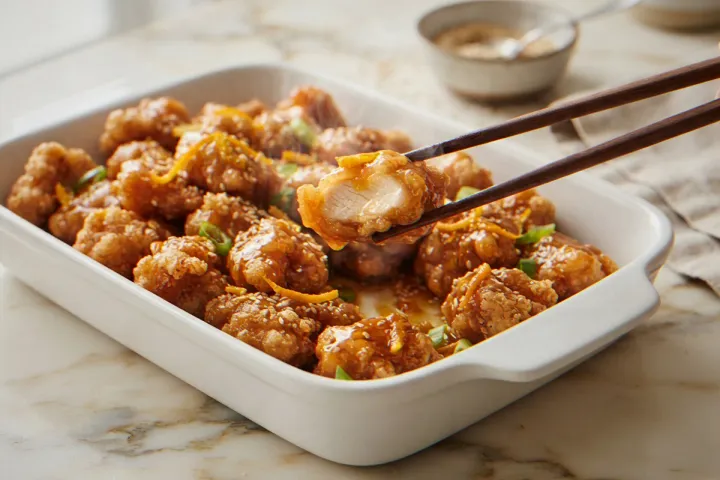
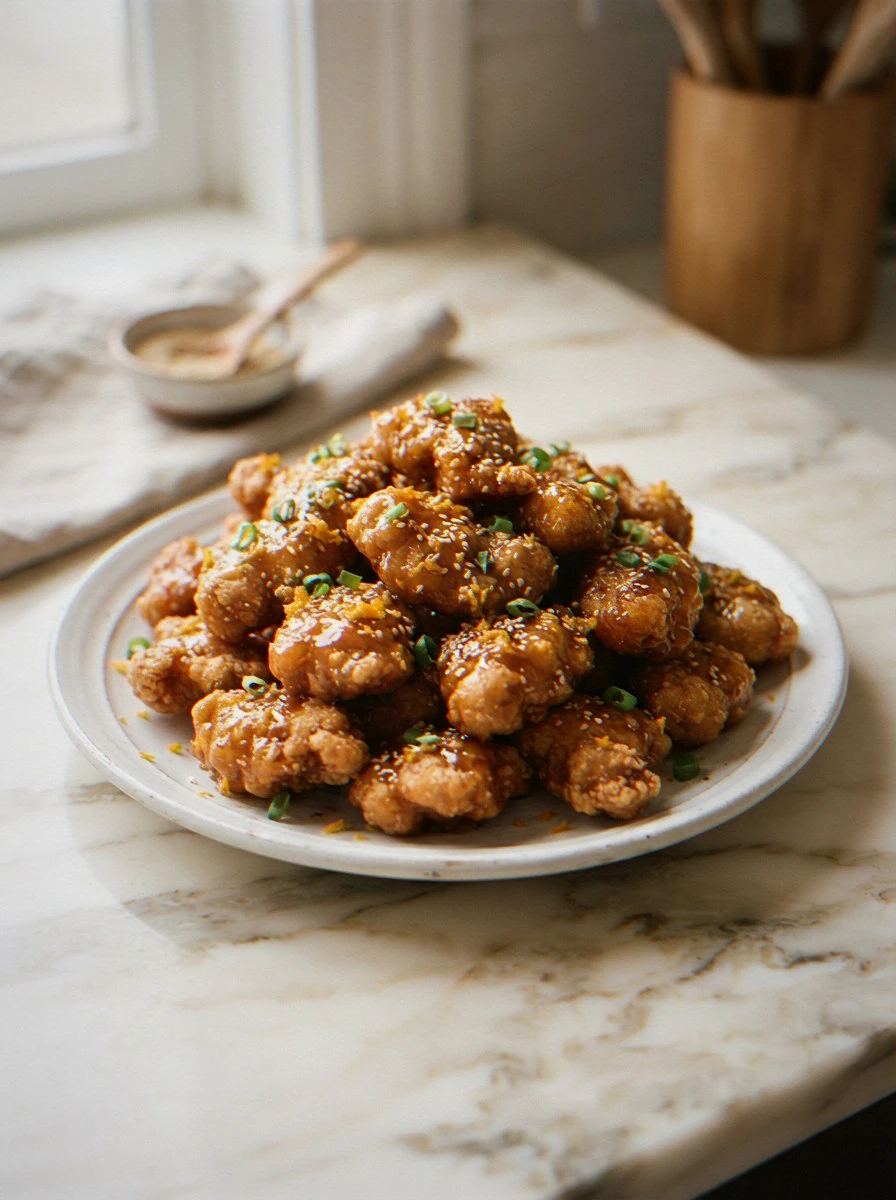
Crispy Homemade Orange Chicken pairs tender chicken thighs with a crisp cornstarch coating and a glossy sauce made with fresh orange juice, zest, garlic, and ginger. This orange chicken delivers the sweet, tangy flavor of takeout while letting you control the heat and serve each batch as soon as it is coated.
What to Expect from This Crispy Homemade Orange Chicken
The egg and cornstarch coating fries into a thin, lightly craggy crust rather than a thick breading. Chicken thighs stay juicy inside, even when you cook several batches. Tossing the pieces with sauce at the end keeps their edges crisp long enough to enjoy them hot.
Fresh orange juice gives the sauce a clean citrus flavor, while zest adds a stronger orange note. White vinegar balances the two sugars, and soy sauce brings salt and depth. Garlic, ginger, and a small amount of red pepper round out the sauce without overpowering the fruit.
Ingredients for Crispy Homemade Orange Chicken
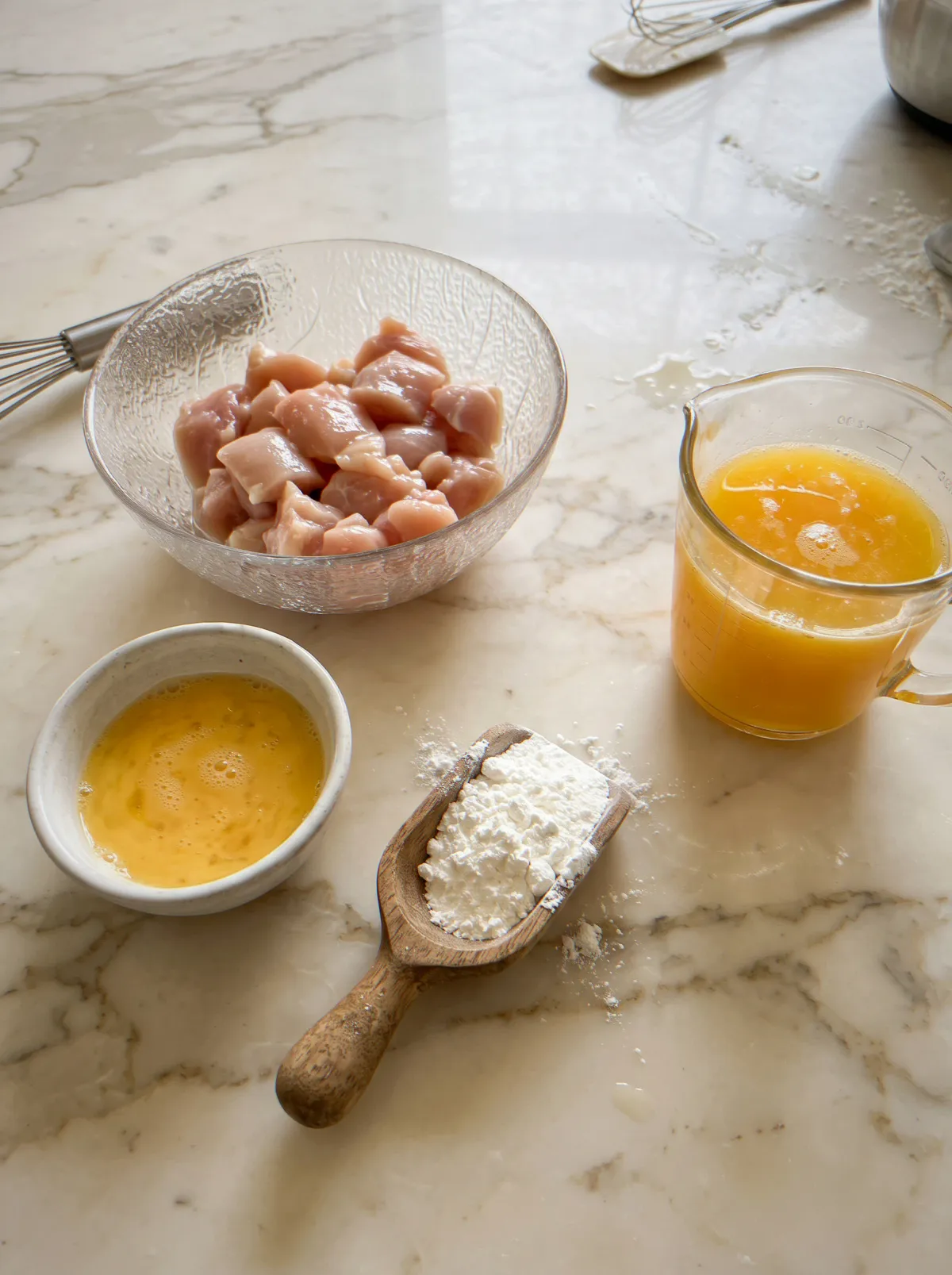
Cut the five pounds of boneless chicken thighs into similar bite-sized pieces so they cook at the same rate. Squeeze the oranges before you begin; bottled juice can taste flatter. Keep the cup of cornstarch for coating separate from the tablespoon mixed with water to thicken the sauce.
How to Make Crispy Homemade Orange Chicken
Coat the Chicken
Put the cut chicken in a large bowl and toss it with the beaten eggs until every piece is coated. Transfer the chicken to a separate bowl containing one cup of cornstarch. Press the starch onto all sides, then shake off loose excess so it does not collect in the skillet.
Set the coated pieces on a tray while the oil heats. Keep them in a single layer so the coating stays in place. Because this recipe uses five pounds of chicken, plan to fry several small batches and have a paper towel-lined plate ready for the cooked pieces.
Fry in Batches
Heat the vegetable oil in a large skillet over medium-high heat. Add only enough chicken to leave space between pieces. Fry for five to six minutes, turning occasionally, until golden and crisp. Move each finished batch to the lined plate, and let the oil regain heat before adding more chicken.
If crumbs darken quickly while the chicken remains pale, lower the heat slightly. If the coating absorbs oil and looks soft, allow the skillet to heat longer between batches. Check a thick piece from each batch: the center should reach 165°F before the chicken goes into the sauce.
Simmer the Sauce and Toss
Combine the orange juice, zest, both sugars, vinegar, soy sauce, garlic, ginger, and red pepper flakes in a medium saucepan. Bring to a gentle simmer over medium heat for three minutes. Stir the cornstarch and water mixture again, then pour it in while stirring the sauce.
Cook for about two minutes, until the sauce coats the back of a spoon. Add the fried chicken and toss for one minute, just until every piece is covered and heated through. Transfer it to a white ceramic serving platter and serve immediately, before the coating softens.
Fry Until Golden and Cook Through
A wide skillet makes it easier to turn the chicken without knocking off its coating. Keep the oil hot enough that the pieces sizzle steadily, but adjust the burner if the starch browns before the meat cooks. Crowding the pan traps steam and leaves the coating less crisp.
Use the color and a thermometer together to judge doneness; five to six minutes is a guide, not a substitute for checking a thick piece. The finished sauce should cling to the chicken without pooling heavily on the platter. If it becomes too thick, stir in a little water.
Serving Ideas
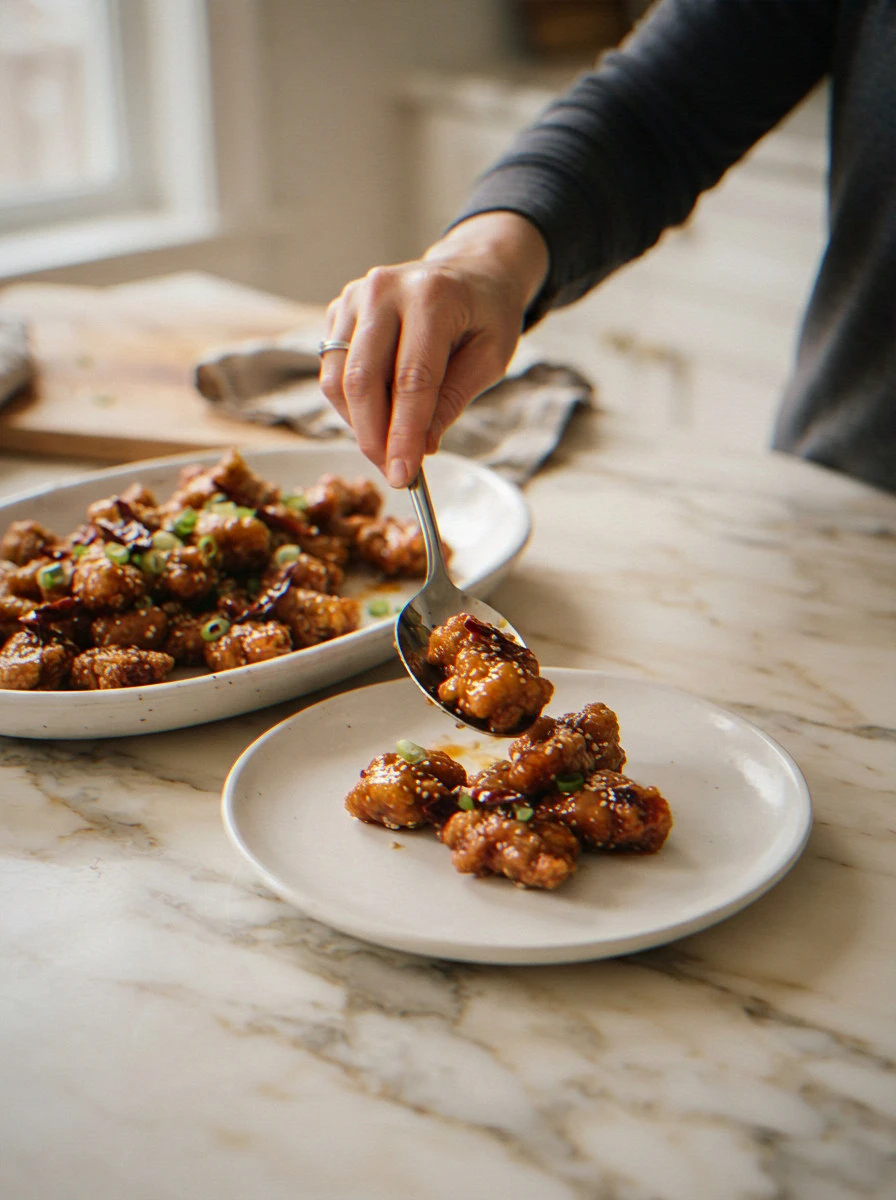
Serve the chicken over steamed rice with broccoli or snap peas for a meal that catches the extra sauce. Scatter sliced green onions over the platter if you have them. Keep the rice and vegetables separate until serving so the fried coating holds its texture.
For a family dinner with different preferences, offer Juicy Air Fryer Chicken Breast as a mild alternative. A slice of Classic Banana Bread makes an easy dessert. Put the sauce-coated chicken on the table last, while it is still hot.
Storage
Refrigerate leftovers in a covered container within two hours of cooking and eat them within three to four days. The coating will soften in the sauce. Reheat the chicken in a skillet or oven until hot throughout; a microwave works, but leaves the crust softer.
For longer storage, freeze cooled portions in airtight containers for up to three months. Thaw overnight in the refrigerator before reheating. If you expect to freeze part of the batch, keep those fried pieces and their sauce in separate containers, then combine them after reheating.
Helpful Troubleshooting
- Coating falls off: Press on the cornstarch and turn pieces gently while frying.
- Chicken looks greasy: Fry smaller batches and let the oil heat between them.
- Sauce stays thin: Stir the cornstarch mixture again, then simmer until it coats a spoon.
- Sauce tastes too sharp: Let it simmer briefly before adding the chicken.
- Crust turns soft: Toss with sauce just before serving.
More Recipes to Try Next
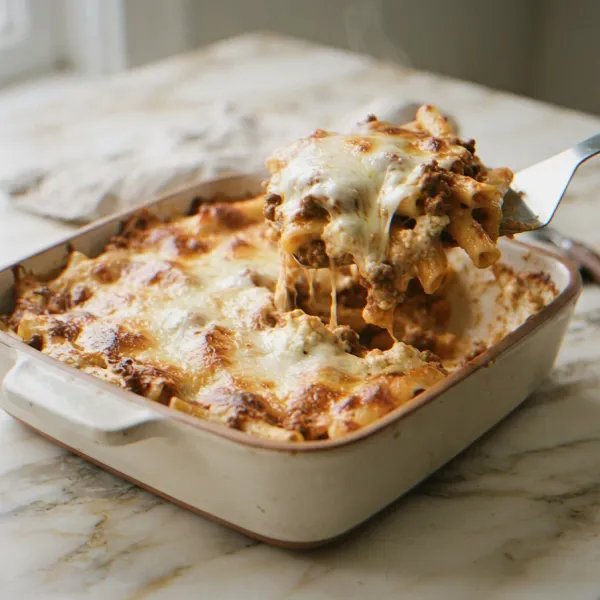
For other hearty dinners, try Classic Chicken Noodle Casserole or Creamy Chicken Stroganoff. If you need a meatless option for the same week, Baked Ziti with Ricotta can be assembled ahead and baked when you are ready to eat.
Frequently Asked Questions
How do you keep homemade orange chicken crispy?
Pat the chicken dry before coating it with egg and cornstarch, then fry it in batches so the pan does not crowd. Let the cooked pieces rest on a wire rack instead of stacking them. Toss with the warm sauce immediately before serving to preserve the crust.
Can you make orange chicken ahead of time?
Yes. Cook the chicken and sauce separately, then refrigerate them in airtight containers. Reheat the chicken in a hot oven or air fryer until heated through and crisp, and warm the sauce in a saucepan. Combine them just before serving so the coating stays crisp.
Can I use chicken breast instead of chicken thighs?
Yes, boneless chicken breast works, though thighs stay juicier during frying. Cut the breast into evenly sized pieces and cook in batches until the centers reach 165°F. Check early, since breast meat can dry out if overcooked, then coat it with the orange sauce just before serving.