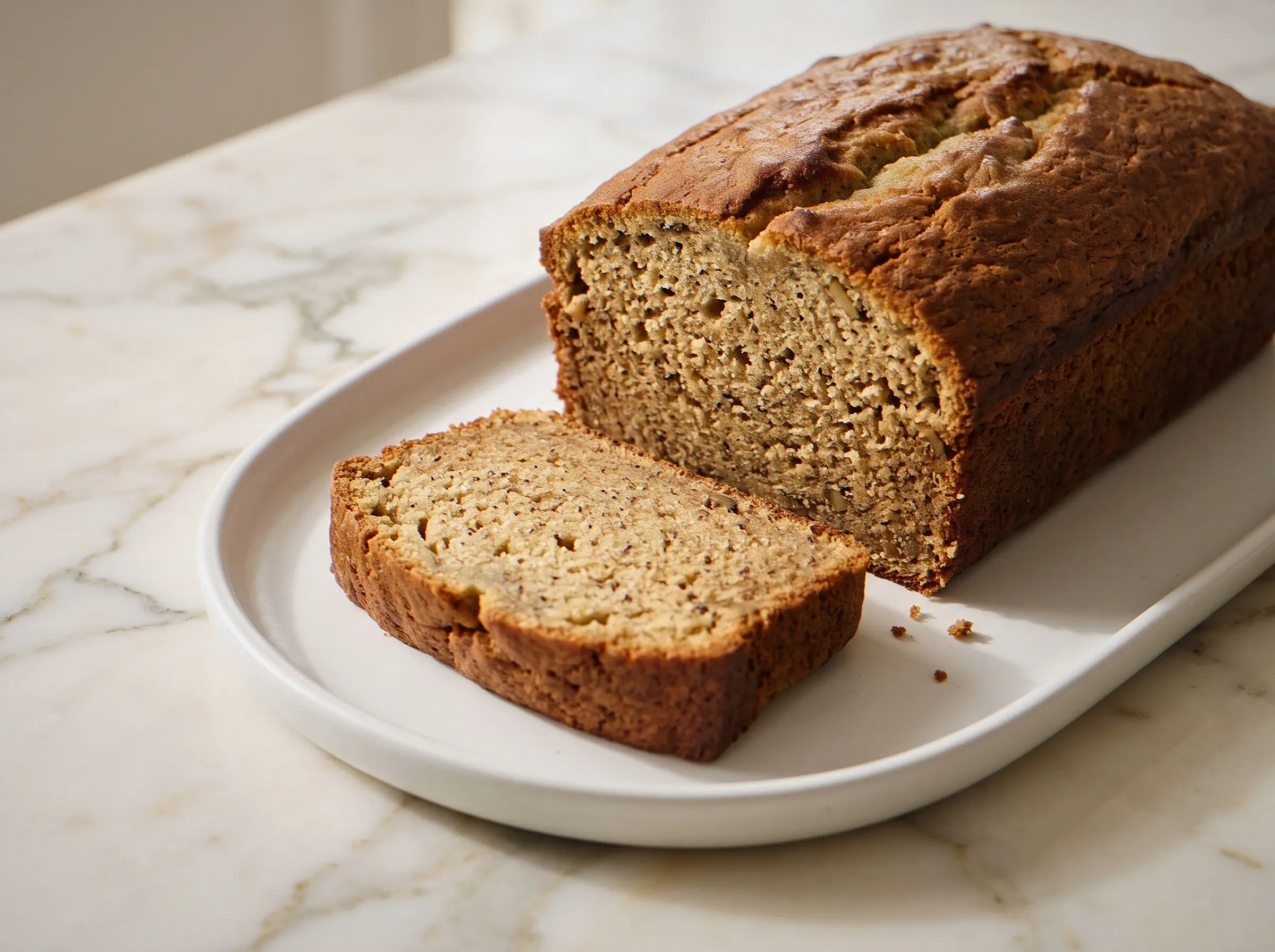
Classic Banana Bread turns ripe bananas, melted butter, and pantry staples into a tender loaf with a lightly browned crust. This banana bread recipe uses one bowl and a short ingredient list, making it practical for breakfast, an afternoon snack, or using bananas that have become too soft to eat.
What to Expect from This Classic Banana Bread
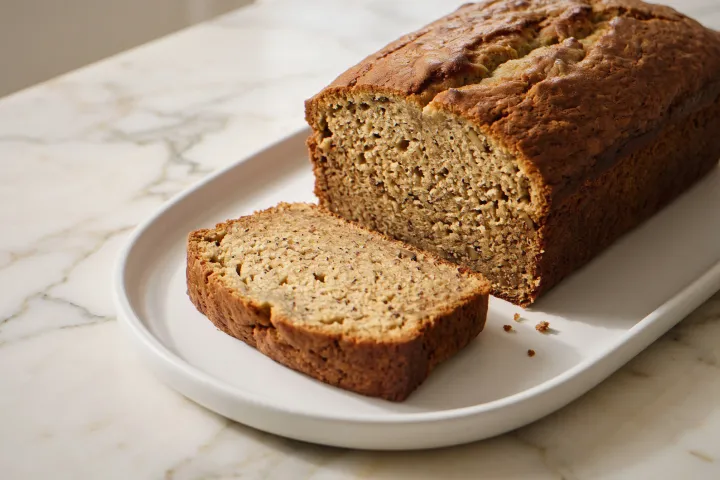
The loaf has a soft, moist crumb that holds together when sliced. Mashed bananas give it small, tender pockets throughout, while melted butter keeps the texture rich without making it heavy. Letting the loaf cool before cutting helps the slices stay neat.
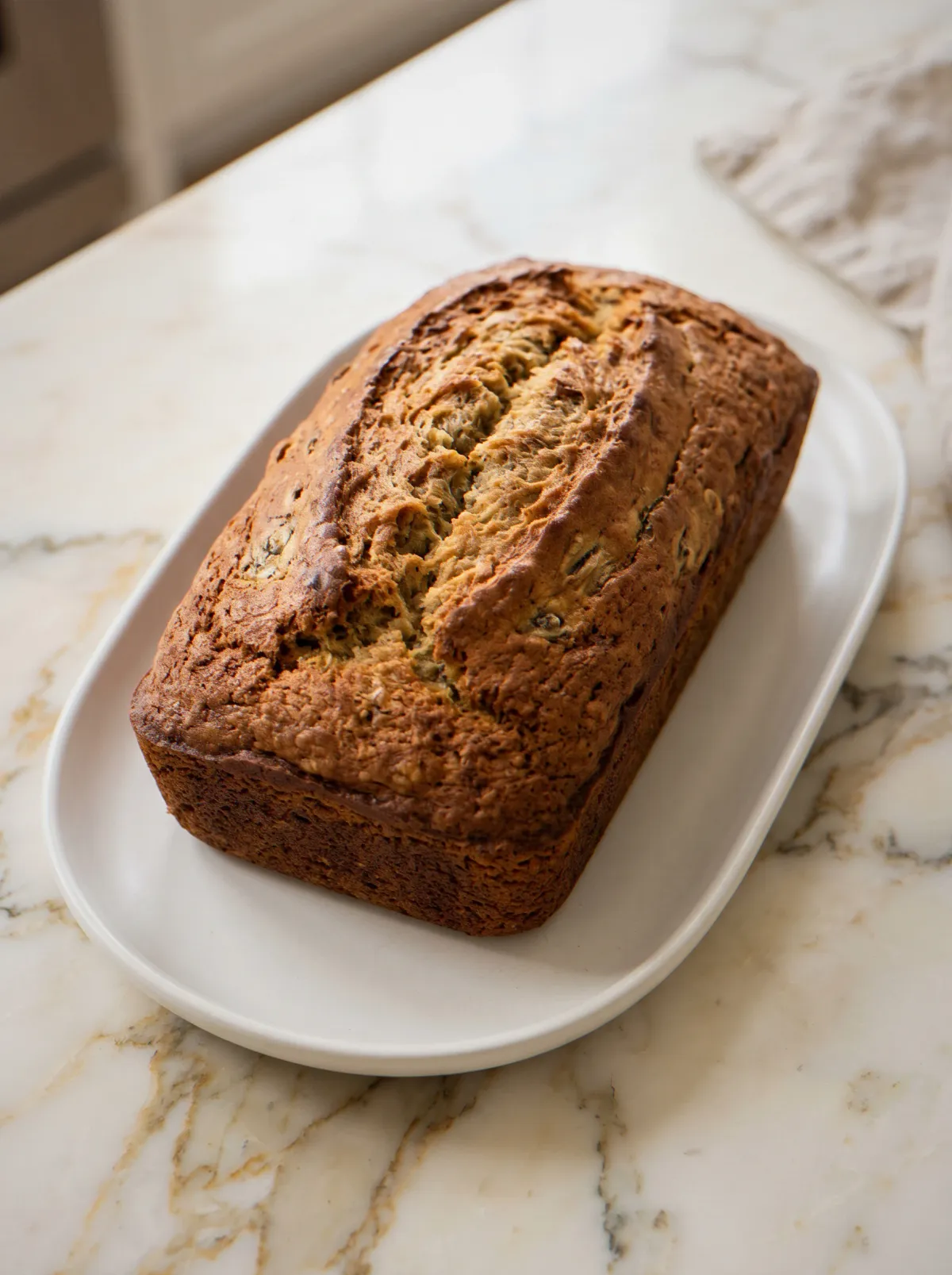
Banana is the main flavor, supported by a little vanilla and the gentle sweetness of granulated sugar. The top becomes golden brown in the oven, and the edges develop a firmer crust. This is a plain, dependable loaf that needs no glaze or topping.
Ingredients for Classic Banana Bread
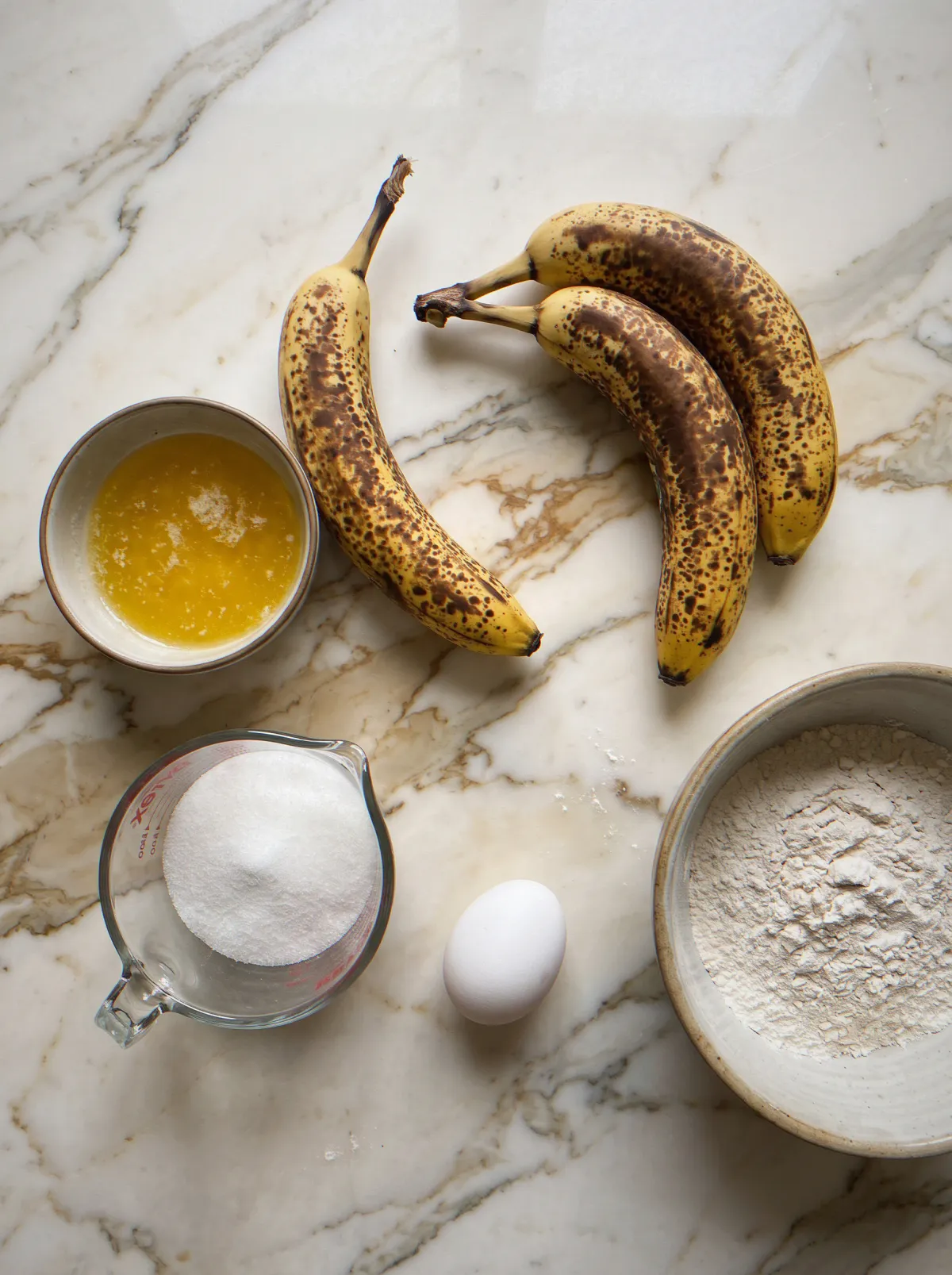
Use three ripe bananas with plenty of brown spots; they mash easily and provide more sweetness than firm yellow bananas. Melt the unsalted butter and let it cool slightly before mixing. Measure the flour by spooning it into the cup and leveling it, since packed flour can make the loaf dense.
How to Make This Banana Bread Recipe
Prepare the Pan and Bananas
Heat the oven to 350°F and lightly grease a 4-by-8-inch loaf pan, including the corners. Mash the bananas in a large mixing bowl until mostly smooth. A few small lumps are fine and will give the finished bread a little variation in texture.
Mix the Wet Ingredients
Stir the melted butter into the mashed bananas until combined. Add the sugar, beaten egg, and vanilla extract, then mix until the egg is fully incorporated. Scrape the bottom of the bowl as you stir so the butter and banana do not remain in separate layers.
Sprinkle the baking soda and salt evenly over the mixture and stir gently. Distributing them before adding the flour helps avoid salty spots or uneven rising. The batter may look loose at this stage, but the flour will give it enough body for the loaf pan.
Fold and Fill
Add the flour and fold with a spatula just until no dry streaks remain. Work around the sides and bottom of the bowl, but stop once the flour disappears. Continued mixing develops the flour’s gluten and can make the banana bread tough.
Pour the batter into the prepared pan and smooth the top into an even layer. Gently tap the pan once on the counter to settle the batter. Place it on the center oven rack, where heat can circulate around the pan during baking.
Bake at 350°F
Bake for about 55 minutes. Check the center with a wooden pick: it should come out clean, without wet batter clinging to it. A few moist crumbs are fine. If the top is browning quickly before the center is done, loosely cover it with foil for the remaining time.
Let the loaf cool in its pan for 10 minutes, then turn it out onto a rack. Transfer it to a matte white ceramic serving platter once it is cool enough to handle. For clean slices, wait until the crumb has set and use a serrated knife.
Serving Ideas
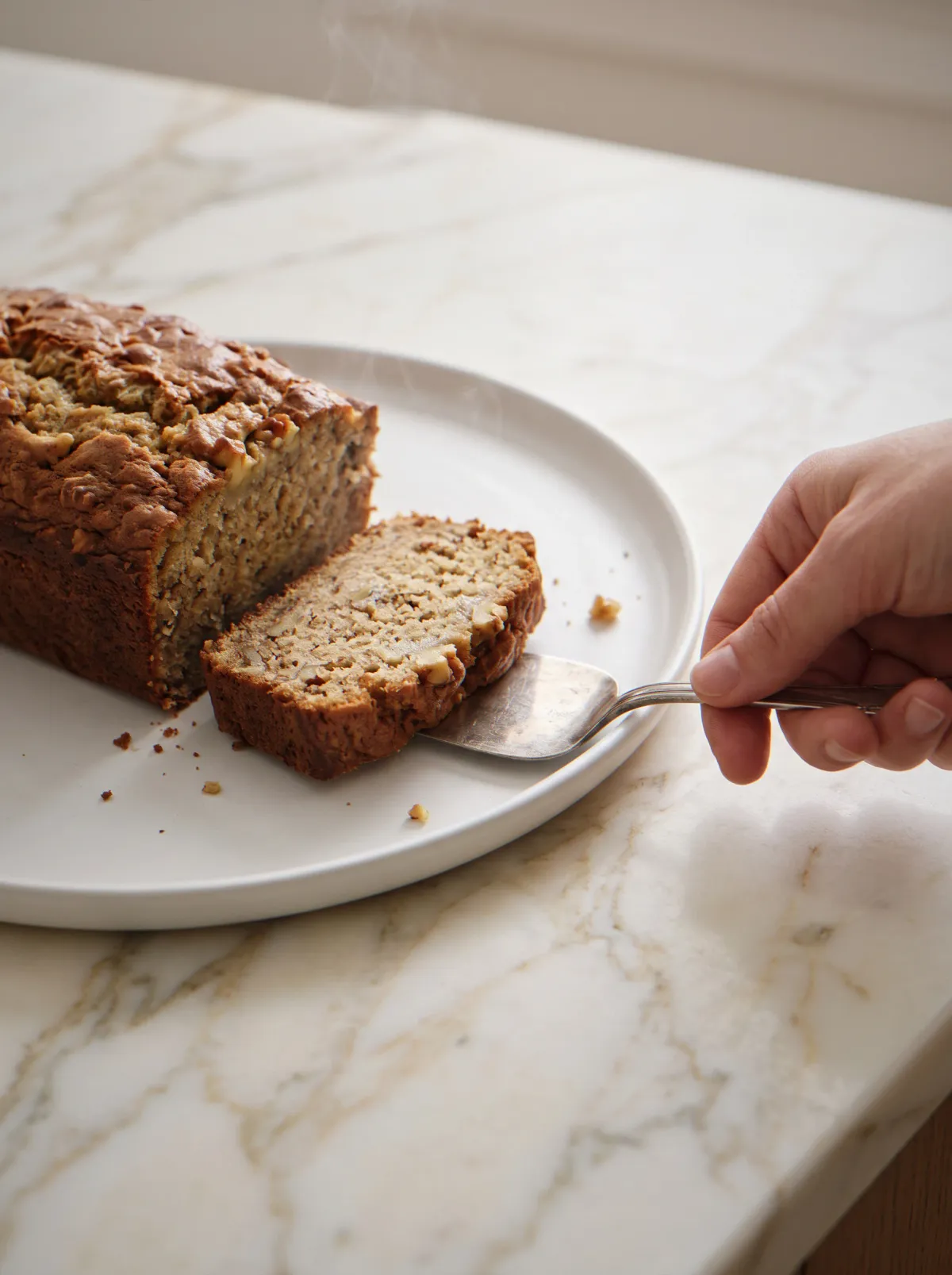
Serve a slice plain or with a thin layer of butter. For breakfast, pair it with yogurt and fresh fruit; for an afternoon snack, serve it with coffee or tea. Slightly warming a slice brings out the banana aroma and softens the crumb.
If you want a toasted edge, place a thick slice in a skillet over low heat with a little butter. Turn it once and remove it when both sides are lightly golden. Watch closely, since the sugar in the bread can brown quickly.
Storage
Cool the loaf completely before storing it so trapped steam does not make the crust damp. Keep it in an airtight container at room temperature for up to two days. For longer storage, refrigerate it for up to five days and bring slices to room temperature before serving.
To freeze, wrap individual slices tightly and place them in a freezer bag for up to three months. Slices thaw more quickly than a whole loaf and are easy to portion. Thaw at room temperature, or warm a thawed slice briefly before eating.
Helpful Troubleshooting
- Dense crumb: Fold only until the flour disappears; avoid stirring the finished batter.
- Wet center: Bake a few minutes longer and check again with a wooden pick.
- Dark top: Loosely cover the loaf with foil while the center finishes baking.
- Dry slices: Measure flour lightly and store the cooled loaf in an airtight container.
- Sticking: Grease the pan corners and allow the 10-minute cooling period before removing the loaf.
More Recipes to Try Next
If you enjoy this homemade banana loaf, try another simple quick bread using fruit or a breakfast muffin recipe. Both make good use of the same basic mixing method: combine wet ingredients, fold in flour, and bake just until set.
Frequently Asked Questions
How ripe should bananas be for banana bread?
Use bananas with plenty of brown spots or mostly brown peels. They mash easily and provide stronger banana flavor and natural sweetness. If your bananas are still firm and yellow, let them ripen at room temperature before baking for the best texture and flavor.
How do I keep banana bread moist?
Measure the flour carefully and stir only until no dry streaks remain; overmixing can make the loaf dense. Bake until a toothpick inserted in the center comes out clean or with a few moist crumbs. Once cool, wrap the bread tightly to help retain moisture.
How do I know when banana bread is done?
Insert a toothpick into the center of the loaf. It should come out clean or with a few moist crumbs, without wet batter. If the top browns before the middle is done, loosely cover it with foil and continue baking, checking again every five minutes.