Classic Brown Sugar Meatloaf Glaze gives baked meatloaf a glossy, sweet and tangy finish with little preparation. This meatloaf glaze recipe combines ketchup, dark brown sugar, apple cider vinegar, and mustard; brushing it on in two stages gives the sauce time to settle into the loaf and brown on top.
What to Expect from This Classic Brown Sugar Meatloaf Glaze
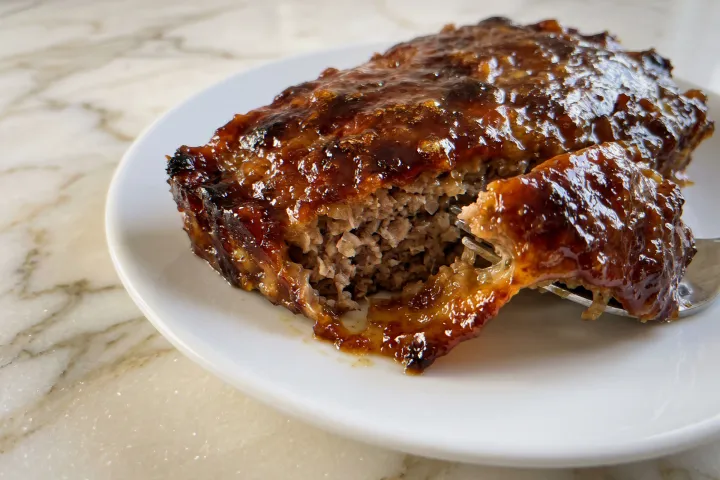
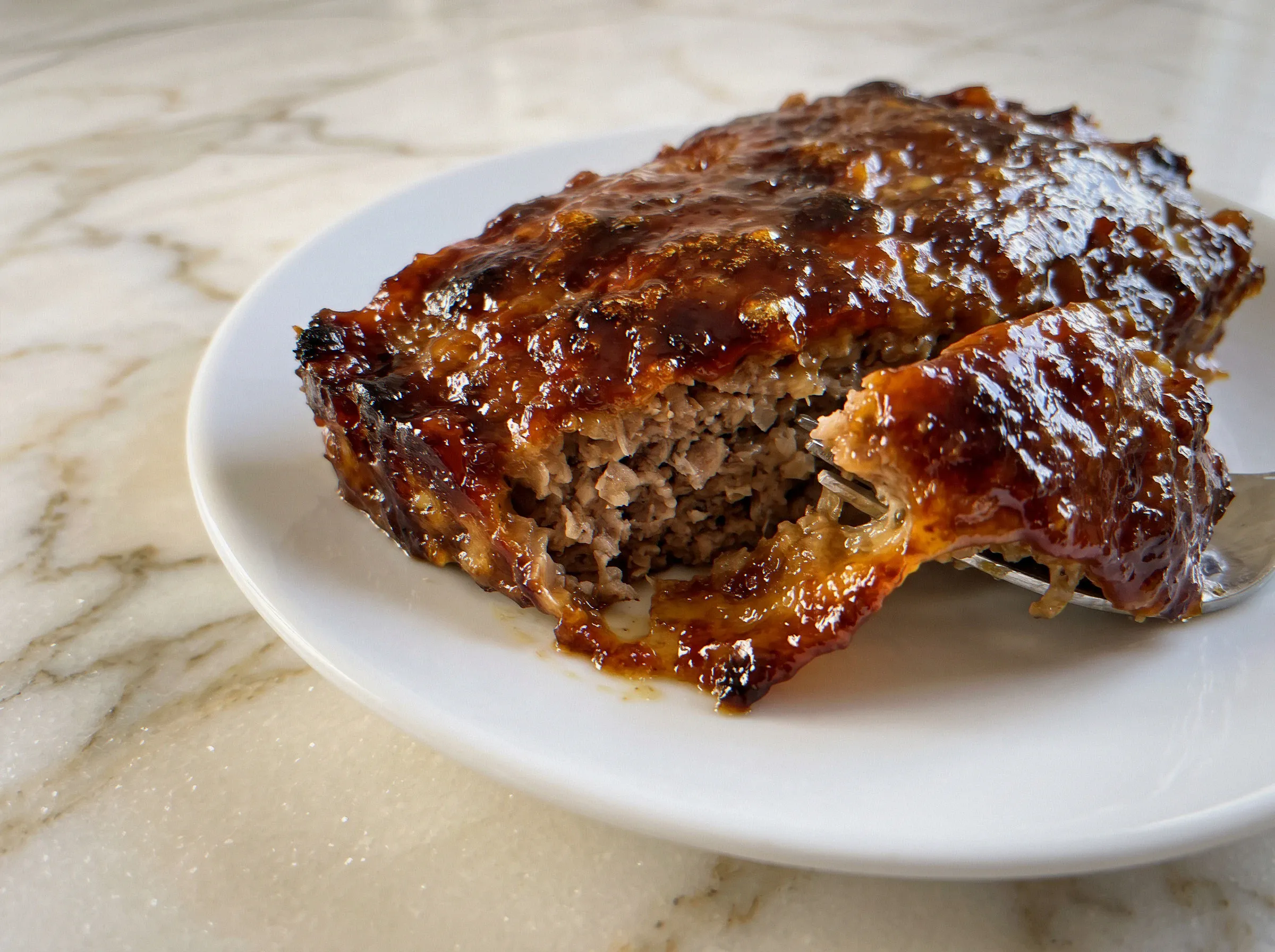
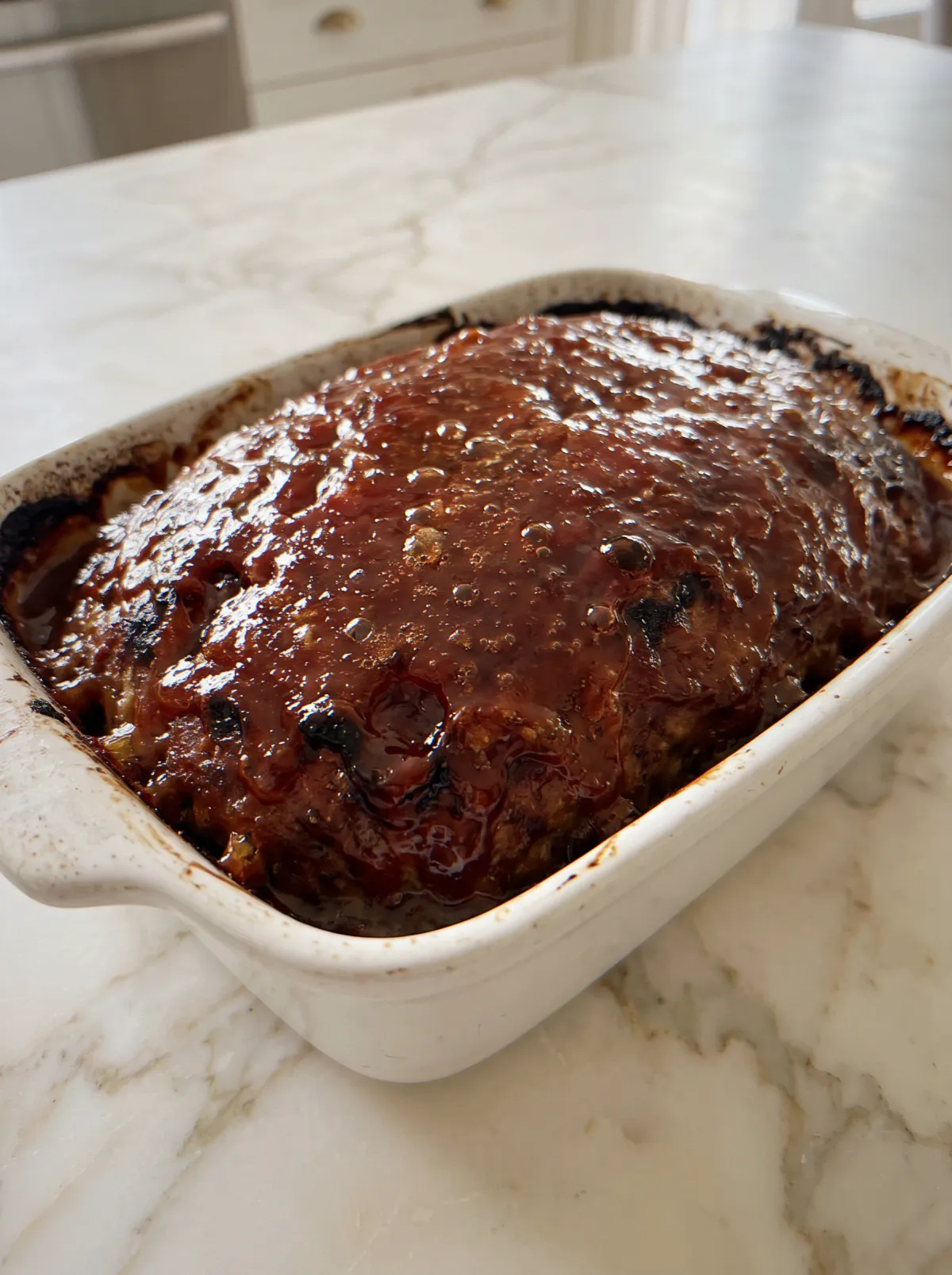
The glaze bakes into a thin, sticky coating rather than a thick layer of sauce. Its surface should look glossy and lightly bubbled, with darker edges where the sugar has browned. A second brushing near the end of baking keeps the top moist without washing away the first layer.
Ketchup supplies tomato flavor and body, while dark brown sugar adds a deeper sweetness. Vinegar and mustard cut through the richness of the meat. The glaze does not change the meatloaf’s crumb structure, but a rested loaf will slice more cleanly and hold its tender center beneath the coating.
Ingredients for Classic Brown Sugar Meatloaf Glaze
Use plain ketchup so you can control the balance of sweetness and seasoning. Pack the dark brown sugar when measuring it, and break up any firm lumps before whisking. Apple cider vinegar adds a mild acidity; yellow mustard, garlic powder, onion powder, salt, and black pepper round out the sauce.

How to Make Classic Brown Sugar Meatloaf Glaze
Whisk the Glaze
Add the ketchup, dark brown sugar, apple cider vinegar, yellow mustard, garlic powder, onion powder, salt, and black pepper to a small bowl. Whisk until the sugar dissolves into the ketchup and the mixture looks smooth. Scrape the sides of the bowl to catch any dry seasoning.
Taste the mixed sauce before it touches the raw meatloaf. If it seems too sweet, add a few drops of vinegar; if it tastes too sharp, stir in a little more brown sugar. Make small adjustments so the ketchup and mustard remain clear in the finished glaze.
Coat the Meatloaf
Set the shaped meatloaf in its baking dish and pour half the glaze over the top. Spread it evenly with the back of a spoon, letting a little reach the sides. Keep the remaining glaze in a separate clean bowl for the final brushing.
Apply the first layer before baking so it can settle onto the surface as the meatloaf cooks. Avoid pouring all the sauce on at once: a heavy coating may slide into the pan before it has time to set, leaving less glaze on each slice.
Brush and Rest
Bake at 350°F. During the last 15 minutes, brush the reserved glaze over the top and return the meatloaf to the oven. This late layer should bubble and thicken while the edges turn slightly darker. Watch closely near the end because brown sugar can scorch.
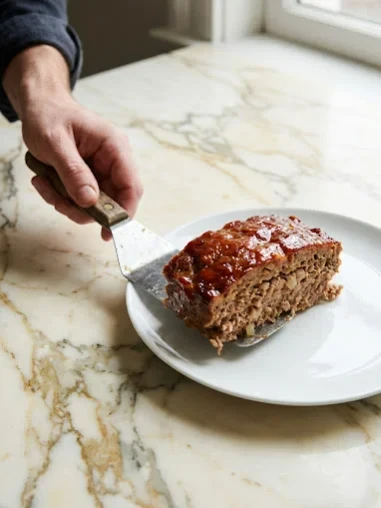
Check the center of the meatloaf with an instant-read thermometer and remove it when it reaches 160°F. Let it rest for 10 minutes before slicing. Resting gives the juices time to settle and helps the glazed top stay in place when you cut it.
Bake at 350°F
Plan on about 60 minutes of total baking, but use the internal temperature to judge doneness. A thicker loaf may need longer, while a flatter one may finish sooner. Insert the thermometer into the center without touching the pan, then check a second spot if the reading seems uncertain.
The finished coating should be bubbly and set, with no pools of thin sauce on top. If the meatloaf reaches 160°F before the glaze browns, give the surface a brief additional bake while watching it closely. This meatloaf glaze recipe is ready to serve after the loaf rests.
Serving Ideas
Serve thick slices with Classic Homemade Mashed Potatoes to catch the juices and any sauce left in the pan. A crisp green salad or steamed green beans adds contrast to the sweet and tangy meatloaf topping without competing with its tomato flavor.
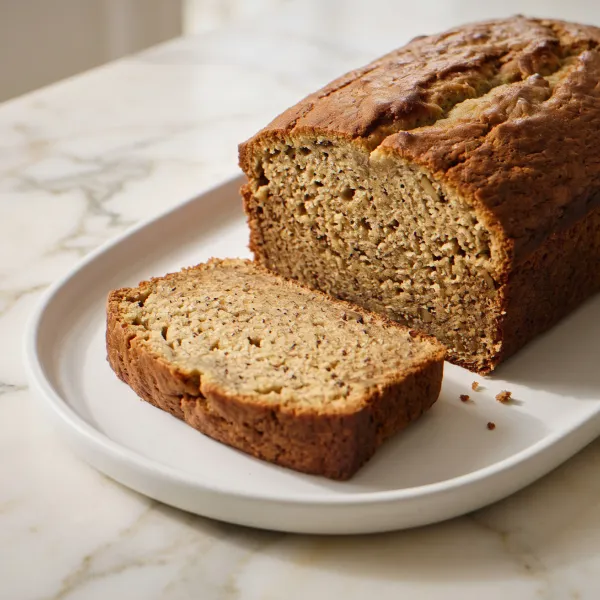
For a simple family dinner, make the potatoes while the meatloaf bakes and slice the loaf just before serving. If you want a baked dessert afterward, Classic Banana Bread can be prepared ahead, leaving the oven free for the meatloaf at dinnertime.
Storage
Refrigerate leftover cooked meatloaf in a covered container for up to four days. Store slices with any glaze that remains on them, and reheat gently until hot throughout. Covering the slices during reheating helps prevent the meat from drying out and keeps the coating from hardening.
Freeze cooled, glazed slices in a freezer-safe container for up to three months, separating them with parchment if you want to remove one at a time. Thaw overnight in the refrigerator before reheating. Keep any unused glaze that has touched raw meat out of the leftover container.
Helpful Troubleshooting
- Glaze slides off: Spread a thinner first layer over a firmly shaped loaf.
- Top browns too fast: Loosely cover it with foil while the center finishes cooking.
- Sauce tastes too sweet: Add apple cider vinegar a few drops at a time.
- Glaze has lumps: Keep whisking until the packed brown sugar breaks down.
- Slices fall apart: Rest the cooked meatloaf for 10 minutes before cutting.
More Recipes to Try Next
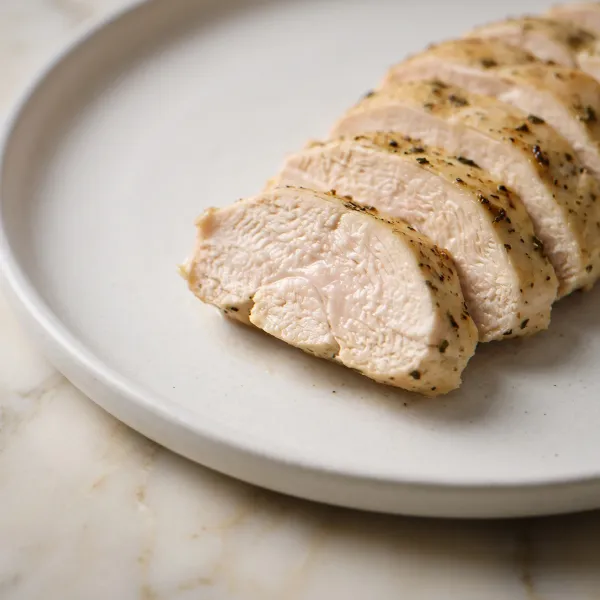
Keep Classic Homemade Mashed Potatoes in mind for another meatloaf dinner. For a quicker main course on a different night, try Juicy Air Fryer Chicken Breast with vegetables or a salad.
Frequently Asked Questions
When should I put brown sugar glaze on meatloaf?
Brush the glaze over the meatloaf during the last 15 to 20 minutes of baking. This gives the ketchup and brown sugar time to turn glossy without scorching. For a thicker coating, brush on a second thin layer near the end and let the meatloaf rest before slicing.
Can I use light brown sugar instead of dark brown sugar?
Yes. Light brown sugar makes a slightly milder glaze, while dark brown sugar adds a deeper molasses flavor. Use the same amount by volume, then taste the mixture before brushing it on. If it seems too sweet, add a few extra drops of apple cider vinegar.
How do I keep meatloaf glaze from sliding off?
Mix the ingredients thoroughly and brush the glaze onto the meatloaf in a thin, even layer. Let the meatloaf bake uncovered so the coating can set. If you want more glaze, add a second thin layer near the end of baking; thick pools are more likely to slide off.