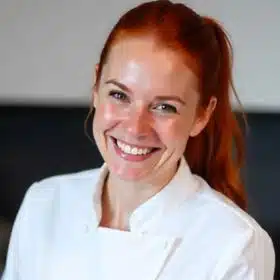
This is going to be a long article generation. Let me start by breaking down the requirements and planning the structure step-by-step. First, I need to understand the persona and tone. The author is Julie Miller, who writes like a family recipe guardian with an inventive spirit—honoring traditions while adding creative twists. The tone should be warm, family-centered, inventive, proud, heritage-honoring, creative, and homemade-celebrating. The focus keyword is “One Dish Chicken Stuffing Bake”. I need to ensure this keyword appears in the first 50 words, in 60% of H2 headings, and in the last paragraph. The keyword density should be around 2% overall. The article should be between 1,800 and 2,500 words, with a Flesch Reading Ease of 60-70 (8th-9th grade level). Sentences should be varied in length, with over 50% using transition words and 95%+ in active voice. I’ll need to integrate NLP and semantic keywords like “easy chicken casserole”, “stuffing topped chicken”, “chicken stuffing recipe”, “baked chicken dinner”, and “quick weeknight meal” naturally throughout the content. Internal linking is crucial. Each URL can only be used once across the entire article. I have a list of internal URLs to use sequentially. Before inserting any link, I must verify it hasn’t been used in previous sections. Images must have descriptive alt text starting with the focus keyword, and titles should include the keyword. All images should use lazy loading and async decoding. The article should be written in HTML, not Markdown. I’ll use proper tags like for bold, for italics, and structure with
,
,
,
,
, etc. Now, I’ll start generating the article section by section, following the outlined structure and ensuring all guidelines are met. Let’s begin with the introduction.
A lover of food and a thrifty living enthusiast. Welcome to my blog. You'll find delicious recipes. Subscribe to my mailing list and follow me on social media to find a recipe you can't miss.